


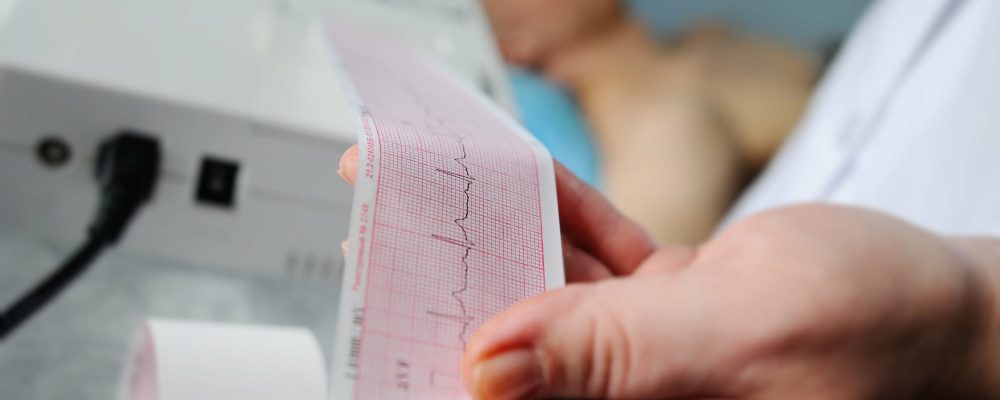
Arrhythmias also known as irregular heartbeats, occur when the heart’s electrical system causes the heart to beat too fast, too slowly, or irregularly. While some arrhythmias are harmless and temporary, others may require medical evaluation and treatment. Factors such as stress, lack of sleep, alcohol, and caffeine can sometimes trigger temporary changes in heart rhythm.
Arrhythmias are generally classified into two groups:
By the location they originate in the heart:
- Upper chambers – supraventricular arrhythmias
- Lower chambers – ventricular arrhythmias
By the heart rate they produce:
- Too fast – tachycardia
- Too slow – bradycardia
Supraventricular arrhythmia
While these arrhythmias can cause symptoms such as palpitations or dizziness, they rarely trigger severe outcomes like sudden cardiac death. However, the atrial fibrillation (AF), the most common arrhythmia, is associated with an increased risk of stroke.
Ventricular arrhythmia
This type of arrhythmia can be life-threatening because they may impair the heart’s ability to pump blood effectively, potentially leading to cardiac arrest. This occurs when the abnormal rhythm prevents the ventricles — the heart’s primary pumping chambers from delivering oxygenated blood to the brain and body. Many of the most serious arrhythmias fall into this category.
Tachycardia
A normal heart rhythm is called sinus rhythm and is controlled by the heart’s natural pacemaker. Tachycardia refers to a heart rate exceeding 100 beats per minute, compared to the typical adult range of 60–100 bpm.
Bradycardia
Bradycardia occurs when disrupted electrical signals cause the heart to beat too slowly, generally under 60 beats per minute. However, what is considered “too slow” varies by age and fitness level, with older individuals being particularly susceptible.

Heart Arrhythmia Symptoms
Some heart arrhythmias do not cause any symptoms and may only be detected during a routine medical examination. However, when symptoms are present, individuals may experience:
- Palpitations
- Missed beats, skipped beats, thumping, butterflies, fluttering, or a racing heartbeat
- Can occur as single episodes or multiple beats
- May be felt anywhere from the stomach up to the head
- Dizziness
- Fainting
- Chest pain
- Shortness of breath
Common Causes of Irregular Heartbeats
Some changes in heart rhythm are temporary and influenced by lifestyle habits, while others may be associated with underlying heart conditions. Common causes include:

Stress and Anxiety
Stress and anxiety can cause the body to release hormones that temporarily increase heart rate or trigger palpitations.

Excessive Caffeine or Alcohol Consumption
Too much caffeine or alcohol can overstimulate the heart, potentially leading to disruptions in its normal rhythm.

Electrolyte Imbalance
Electrolytes such as potassium, calcium, and magnesium play an important role in regulating the heartbeat. Abnormal levels of these minerals can affect heart rhythm.
Medications or Supplements
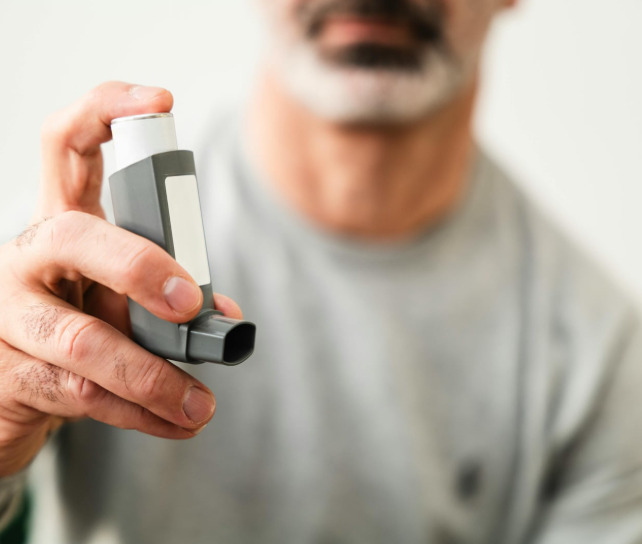
Certain medications, including cold remedies and asthma inhalers, as well as some herbal supplements, may influence heart rhythm, particularly when taken in large amounts.
Underlying Medical Conditions
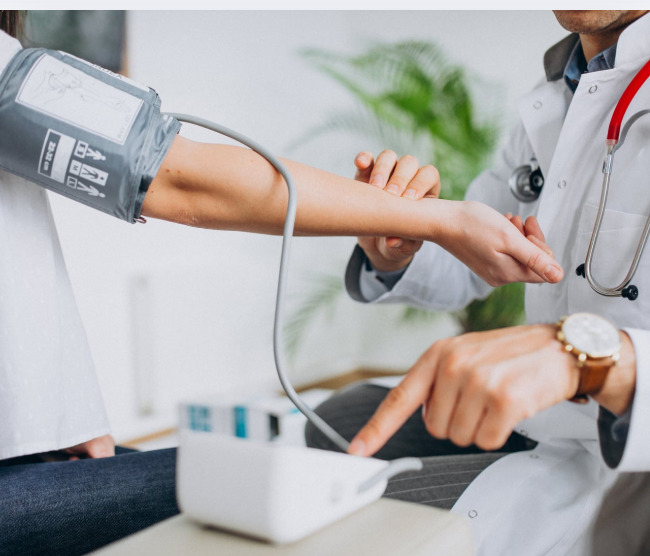
Several health conditions can contribute to irregular heartbeats, including:
- Coronary artery disease or previous heart attack
- High blood pressure
- Thyroid disorders
- Diabetes
- Sleep apnea
- Heart valve problems or scarring from a previous heart attack
In these situations, arrhythmias may occur more frequently, persist for longer periods, or indicate an underlying issue affecting the heart’s structure or function.
An irregular heartbeat can be diagnosed using a range of tests that help assess the heart’s rhythm and identify any underlying causes. Common diagnostic methods include:
- Blood Tests
Blood tests can help detect medical conditions that may contribute to arrhythmias, such as electrolyte imbalances, thyroid disorders, or other health issues that affect heart rhythm.
- Electrocardiogram (ECG)
An electrocardiogram (ECG) is a simple, non-invasive test that records the heart’s electrical activity. It can help identify abnormal heart rhythms and determine the type of arrhythmia present.
- Echocardiogram
An echocardiogram uses ultrasound to assess the structure and function of the heart and identify underlying conditions that may contribute to arrhythmias.
- Heart Monitor
A heart monitor ( event monitor) records the heart’s rhythm over an extended period, ranging from several hours to weeks, depending on the device used. It can help detect intermittent arrhythmias that may not be captured during a standard ECG performed in a clinic or hospital.
- Exercise Stress Test
An exercise stress test evaluates how the heart responds during physical activity and may help identify exercise-related arrhythmias.
Treating arrhythmias
An electrophysiology study (EPS) is a minimally invasive procedure performed by a heart rhythm specialist to evaluate the nature of an abnormal heart rhythm, or arrhythmia, and identify the most appropriate treatment approach. During the procedure, the electrical activity of the heart is assessed to pinpoint the exact area from which the abnormal rhythm originates. Once a diagnosis has been established, definitive treatment with catheter ablation (cauterisation or ‘lasering’) is frequently carried out within the same procedure.
An EPS may be recommended to:
- Identify the cause of an irregular heart rhythm
- Pinpoint exactly where in the heart the rhythm problem starts
- Guide the choice of the most suitable treatment
- Check for any issues with the heart’s conduction system
How can I prepare for an electrophysiology study?
There are several steps you can take to prepare for an electrophysiology study (EPS). In addition to the standard preparations recommended for most medical procedures, you should:
- Fast for 6–7 hours before the procedure.
- Inform your doctor about any medications you are currently taking.
- Bring and wear your hearing aid or glasses if you normally use them.
- Arrange for someone to accompany you and drive you home after the procedure.
What happens after an electrophysiology study?
After the procedure is finished, you will be transferred to a recovery area and monitored for approximately 1–3 hours. As EPS is typically performed as a day procedure, you will usually be able to return home once the effects of the sedative have worn off.
Seek immediate medical attention if you experience any of the following after the procedure:
- A sudden increase in swelling around the puncture site.
- Bleeding that does not stop or slow down despite applying firm pressure.
- Numbness, coldness, or colour changes in the arm or leg used for the procedure.
Simple Lifestyle Changes to Support a Healthy Heart Rhythm
If you have an irregular heartbeat or think your heart rhythm may be unusual, there are several lifestyle measures that may help support your heart health:
- Limit caffeine, alcohol, and tobacco use as these can sometimes trigger or worsen arrhythmias.
- Reduce stress levels through techniques such as deep breathing, meditation, or light physical activity.
- Manage existing medical conditions like high blood pressure and diabetes by following your treatment plan and attending regular check-ups.
- Check with your doctor before using new medications or supplements, as some products may affect heart rhythm.
- Stay physically active regularly with appropriate exercise that matches your age, fitness level, and medical condition.
Experiencing a fluttering sensation, occasional skipped beat, or brief change in heart rhythm does not always mean there is a serious problem. However, if these symptoms occur frequently, are accopanied by dizziness, fainting, chest pain, or shortness of breath, or if you have concerns about your heart health, it is important to seek medical evaluation.
A heart screening or specialist assessment can help identify underlying causes and determine whether treatment is necessary. Learn more about our Heart Screening Packages and take a proactive step towards better heart health.